
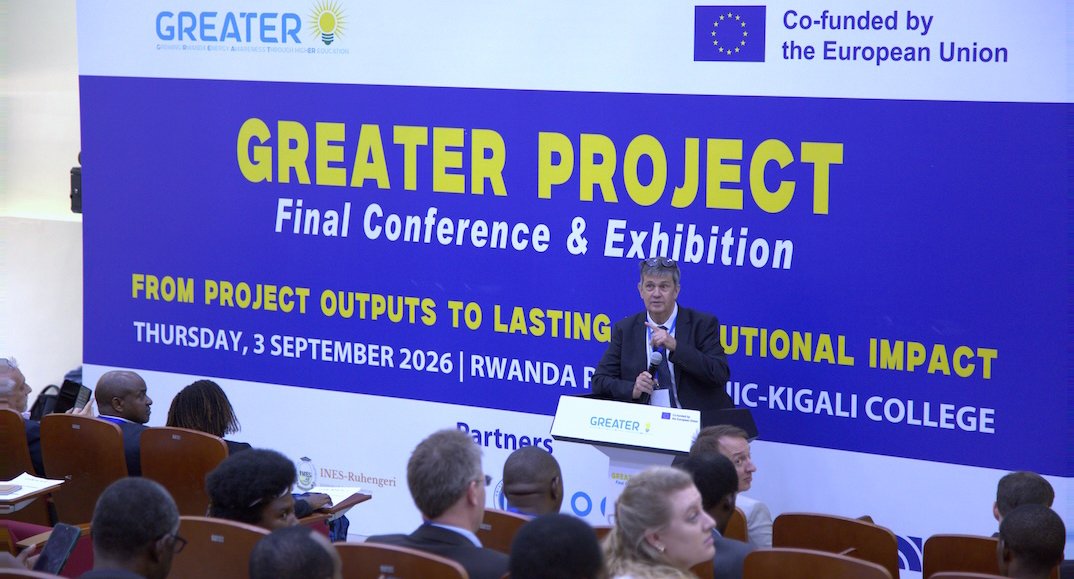
GREATER Final Conference & Exhibition
From Project Outputs to Lasting Institutional Impact
The GREATER Final Conference and Exhibition brought together project partners, public institutions, the private sector, students, communities, schools and international stakeholders to reflect on GREATER’s achievements, its contribution to Rwanda’s energy transition and how its results can be sustained beyond the end of the project.
The conference in numbers
-
100+ participants
- 42 speakers & panelists
- 4 sessions
- 8 partner institutions, from 3 countries
Video · 6:43
Final Conference highlights
Relive the GREATER Final Conference and Exhibition of 3 September 2026 at Rwanda Polytechnic – Kigali College in a short film by the GREATER project.
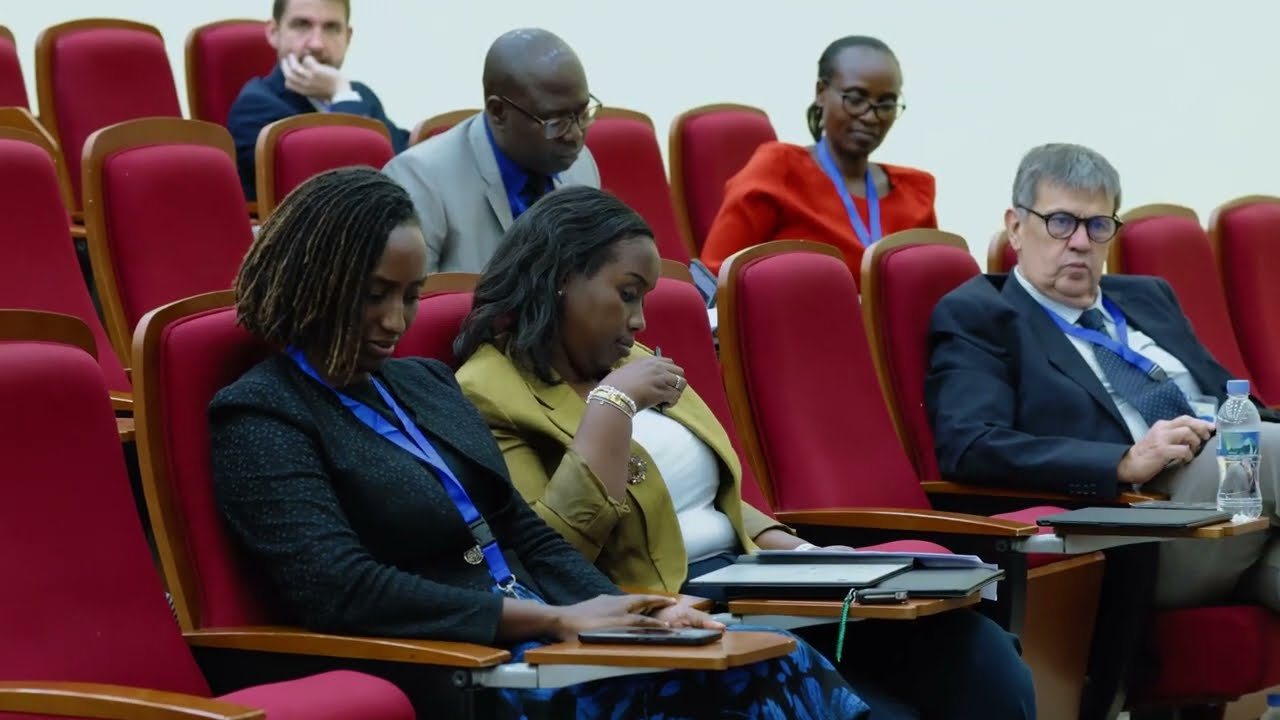
Final Conference Sessions
-
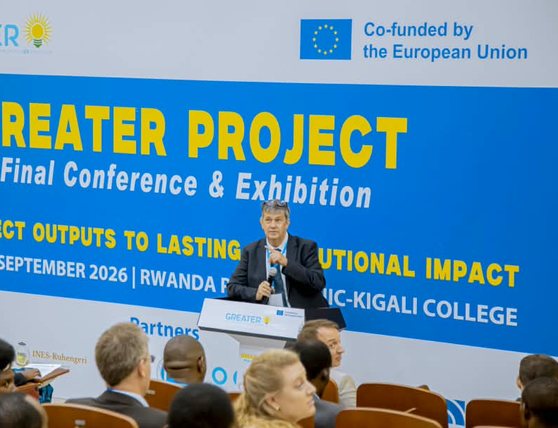
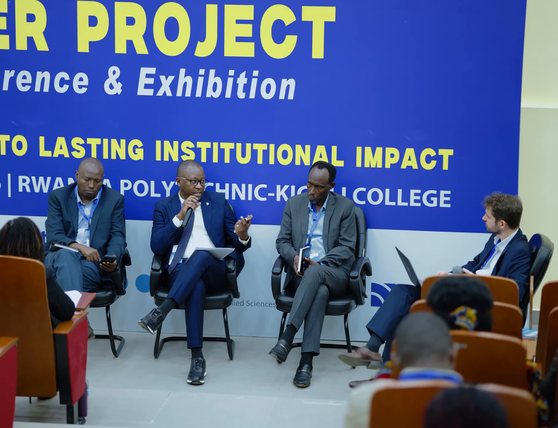
09.00 – 10.30
Opening Session
Institutional partnership, national priorities and lasting impact, with the RP Vice Chancellor, the GREATER Coordinator, the EACEA and Rwandan ministries.
Session programme: Opening Session -
10.50 – 12.25
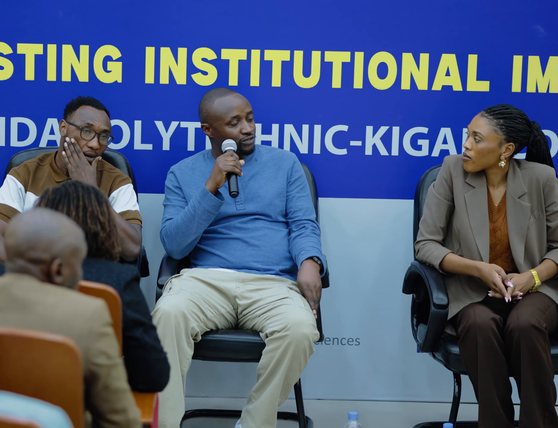
Panel Session
Climate change and energy transition: the role of academia and capacity-building initiatives, with government, private-sector and university speakers.
Session programme: Panel Session -
13.30 – 15.10
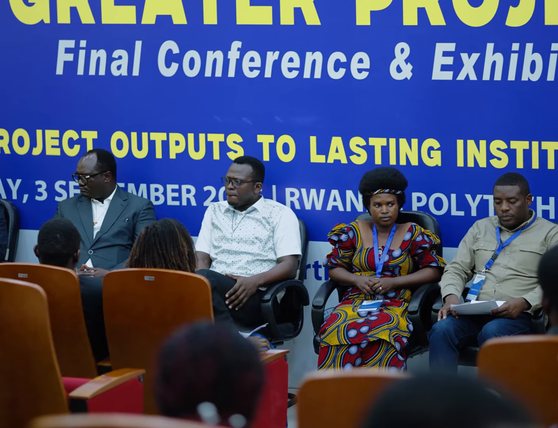
Experiences & Testimonies
From project activities to lasting impact: students, academic staff, schools and communities share their GREATER experience.
Session programme: Experiences & Testimonies -
15.30 – 17.00
Closing Round Table
GREATER beyond the project: institutional transformation, community engagement, employability and future cooperation.
Session programme: Closing Round Table
Programme
Thursday, 3 September 2026, Rwanda Polytechnic – Kigali College. Select a session to see its speakers. The GREATER Exhibition was open throughout the day.
- 08.30 – 09.00Arrival of guests and registration, Rwanda Polytechnic
-
09.00 – 10.30 Opening session: Institutional partnership, national priorities and lasting impact Chair: Arne Graßmann (HN)
- 09.00 – 09.10
Opening and welcome remarks
Dr Sylvie Mucyo, Vice Chancellor, RP
- 09.10 – 09.25
GREATER in brief: achievements, impact and legacy
Prof. Paolo Ciampolini, GREATER Coordinator, UNIPR
- 09.25 – 09.35
EU Capacity Building projects: objectives, cooperation and legacy
Anna Hakami, Project Adviser, European Education and Culture Executive Agency (EACEA)
- 09.35 – 09.45
Rwanda’s higher-education priorities
Eng. Pascal Gatabazi, CTA, Ministry of Education
- 09.45 – 09.55
Energy-sector development, access and skills needs: public and private perspectives
Jean Bosco Mugiraneza, DG for Energy, MININFRA
- 09.55 – 10.30
Institutional addresses
- Dott. Giovanni Davite, Honorary Consul of Italy
- Dr Fr Fabien Hagenimana, Senior Expert in Rwandan European Cooperation
- Prof. Paolo Martelli, Rector, UNIPR
- Prof. Roberto Valentino, Director of UNIPR Centre for International Cooperation
- Dr Fr Jean Bosco Baribeshya, Vice-Chancellor, INES
- Dr Arne Graßmann, HN
- Dr Edmondo Gilioli, CNR
- Dr Fr Gibert Munana, Vice-Chancellor, UTAB
- Dr Fabien Tenk, H-BRS
- Prof. Leopold Mbereyaho, Ag. Principal, UR
- 09.00 – 09.10
- 10.30 – 10.50Coffee break
-
10.50 – 12.25 Panel session: Climate change & energy transition – the role of academia and capacity-building initiatives Chairs: Luciana Stortoni (UNIPR), Djamali Nambajimana (UR)
- 10.50 – 11.00
Introduction and framing: Rwanda’s climate and energy challenges – priorities, actors and capacity needs
Moderator: Sebastian Heinen, H-BRS
- 11.00 – 11.10
Rwanda’s energy-transition priorities: implementation, energy-system development and decarbonisation
Jean Bosco Mugiraneza, DG for Energy, MININFRA
- 11.10 – 11.20
Private-sector outlook: renewable energy, market development and workforce needs
Janvier Kabananiye, Director of R&D, REG
- 11.20 – 11.30
Private-sector outlook: renewable energy, market development and workforce needs
Ehudi Shingiro, Head of Clean Cooking Subsector, EPD
- 11.30 – 11.40
The role of HEIs in developing the skills required for the energy transition
Dr Bernard Munyazikwiye, Head of the Department of Mechanical and Energy Engineering, UR
- 11.40 – 12.10
Panel discussion – Building the skills required for Rwanda’s energy transition: workforce development, employability, applied learning and cooperation among HEIs, public institutions and the private sector
All panelists
- 12.10 – 12.20
Audience Q&A
Moderator and all panelists
- 12.20 – 12.25
Key conclusions
Moderator
- 10.50 – 11.00
- 12.25 – 12.30Group photo
- 12.30 – 13.30Networking lunch, with the announcement of the GREATER Art Contest winners and the award ceremony
-
13.30 – 15.10 Experiences and testimonies: From project activities to lasting impact Chairs: Eraste Rukundo (INES), Pia Lovengreen (UNIPR)
- 13.30 – 13.50
Ensuring distributed electrification reaches its full potential
Prof. Peter Adelmann, Director of Institute for Decentralized Electrification, Education and Entrepreneurship, Germany
- 13.50 – 14.05
User-centred and collaborative design for educational innovation: from stakeholder needs to co-designed solutions
Lisa Schmitt, HN
- 14.05 – 14.25
Student experiences: mobility, thesis and project work, and engagement in Living Labs and DIY Lab Kits
Joselyne Byukusenge (INES), Jean Paul Dusingizimana (INES), Anselme Mulinda (UTAB), Jean de Dieux Ndagijimana (UR)
- 14.25 – 14.50
Academic staff experiences: training and summer schools; design and development of Living Labs and DIY Lab Kits
Mirco Mongilli (UNIPR), Vivien Ishimwe (RP), Dr Theodore Habimana (INES), Bosco Hategekimana (RP)
- 14.50 – 15.10
Community and school engagement: knowledge transfer, cooperation and partnerships beyond GREATER
Samuel Ndayambaje (UR), Fr Regis Bagerageza (INES), Fr Principe Niyitanga (GS Byumba, UTAB), Larissa Ashimwe (Rulindo District, RP), Olivier Nyundo (APEKI), Theophile Rutabana (Nelson Mandela)
- 13.30 – 13.50
- 15.10 – 15.30Coffee break
-
15.30 – 16.55 Closing round table: GREATER beyond the project – what’s next? Chairs: Pia Lovengreen (UNIPR), Sebastian Heinen (H-BRS)
- 15.30 – 15.35
Introduction: from project results to institutional legacy
Moderator: Dr Luciana Stortoni (UNIPR)
- 15.35 – 15.45
Institutional transformation: strengthened capacities, emerging institutional changes and practices becoming embedded
Eraste Rukundo, INES
- 15.45 – 15.55
Community engagement: strengthening partnerships with communities and schools beyond GREATER
Dr Bernard Munyazikwiye, University of Rwanda
- 15.55 – 16.05
Students, skills and employability: developing talent and responding to workforce needs
Dr Emmanuel Nisingizwe, UTAB
- 16.05 – 16.15
Sustainability and future cooperation: maintaining GREATER results and expanding collaboration
Dr Antoine Musengimana, Rwanda Polytechnic
- 16.15 – 16.45
Round-table discussion: from GREATER results to lasting institutional practice
All round-table participants
- 16.45 – 16.55
Final reflections: GREATER’s legacy and the way forward
Eng. Rita Clemence Mutabazi (RP) and Prof. Paolo Ciampolini (UNIPR)
- 15.30 – 15.35
- 16.55 – 17.00Formal closing
Partners: UNIPR – University of Parma (Coordinator) · RP – Rwanda Polytechnic · UR – University of Rwanda · INES – INES-Ruhengeri · UTAB – University of Technology and Arts of Byumba · HN – Hochschule Niederrhein · H-BRS – Hochschule Bonn-Rhein-Sieg · CNR – Consiglio Nazionale delle Ricerche (IMEM)
GREATER Exhibition: Living Labs, DIY Lab Kits & Art Contest
Open throughout the day, the exhibition showcased Living Labs, DIY Lab Kits and other GREATER results, letting participants engage directly with the staff and students who develop and use them. The Living Labs demonstrate renewable-energy applications in real-life settings, while the DIY Lab Kits offer affordable, reproducible platforms for hands-on learning in photovoltaics, sensing, communication and energy monitoring. The exhibition also hosted the GREATER Art Contest.
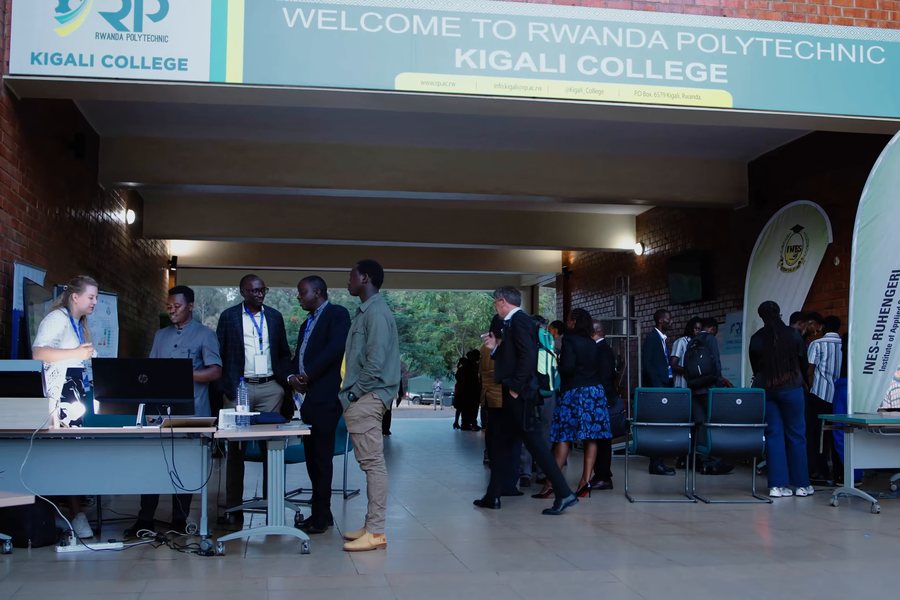
The exhibition hall 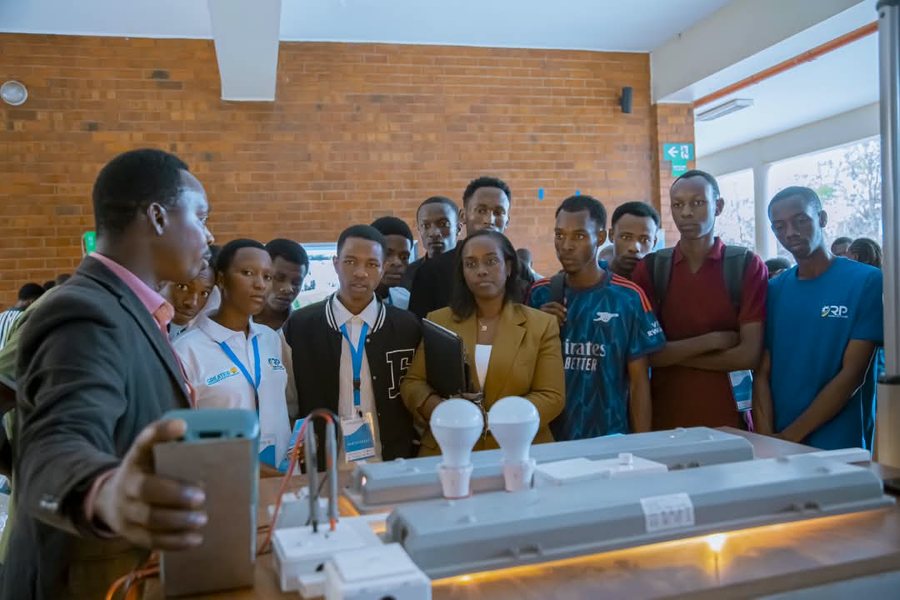
Lighting demonstration for students 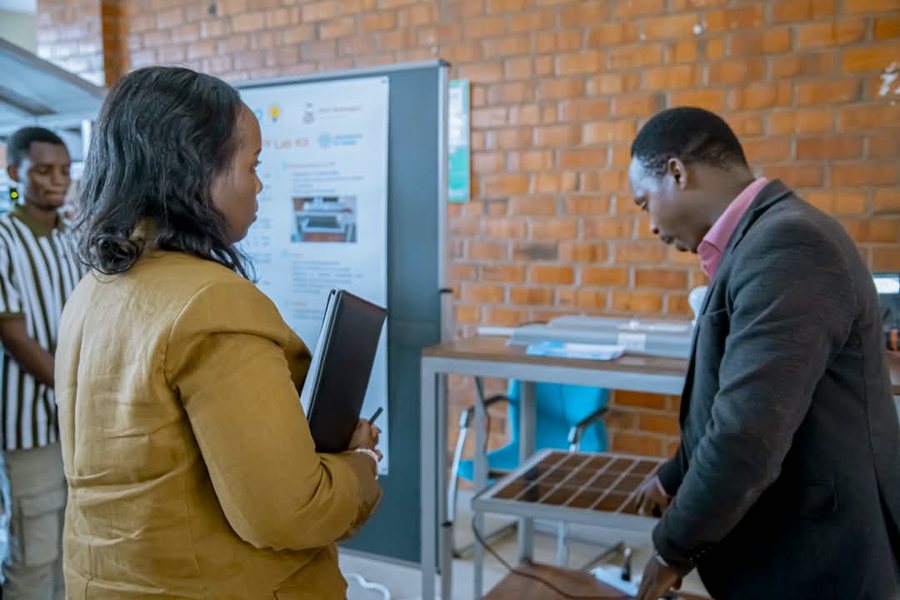
DIY Lab Kit stand 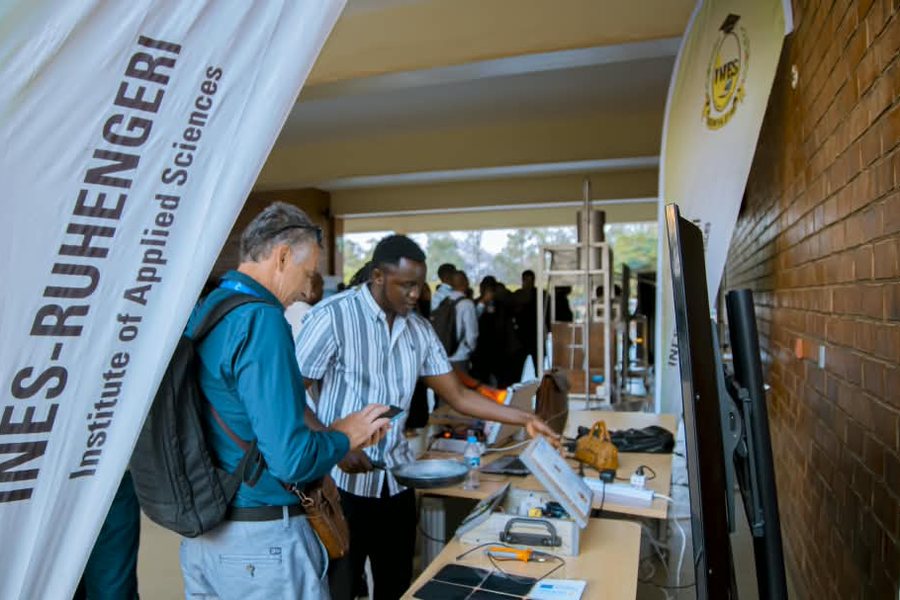
INES-Ruhengeri stand 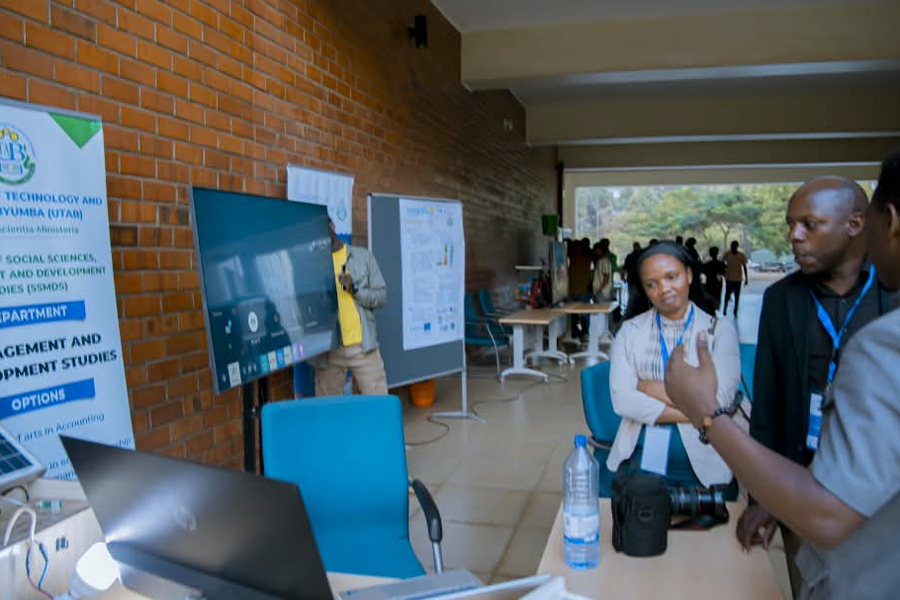
UTAB stand 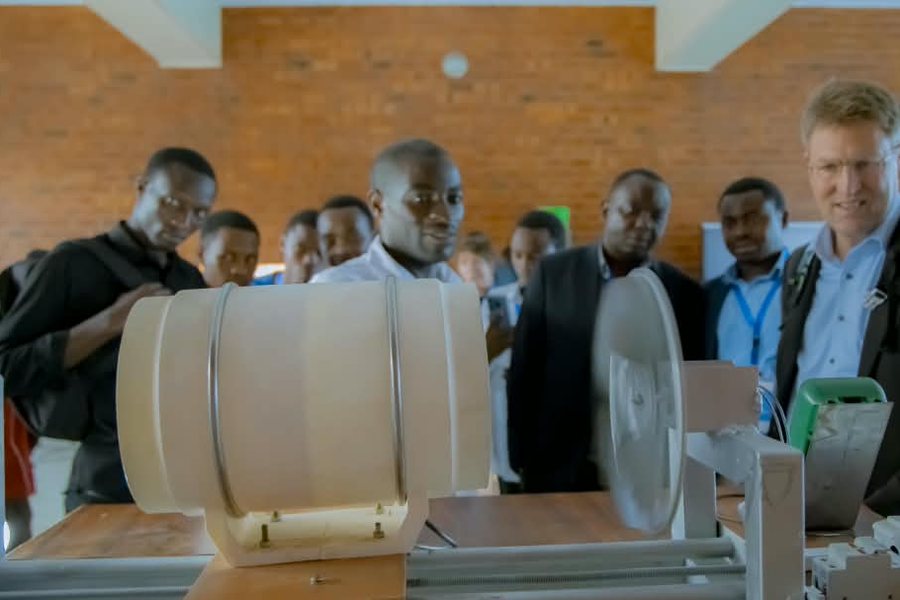
Hands-on demonstrations
GREATER Art Contest winners
The winners of the GREATER Art Contest “The Power of Creativity: Green Energy for Tomorrow” were announced at the award ceremony during the networking lunch. Select an entry to see it with the artist’s description.
Photography & paint
-
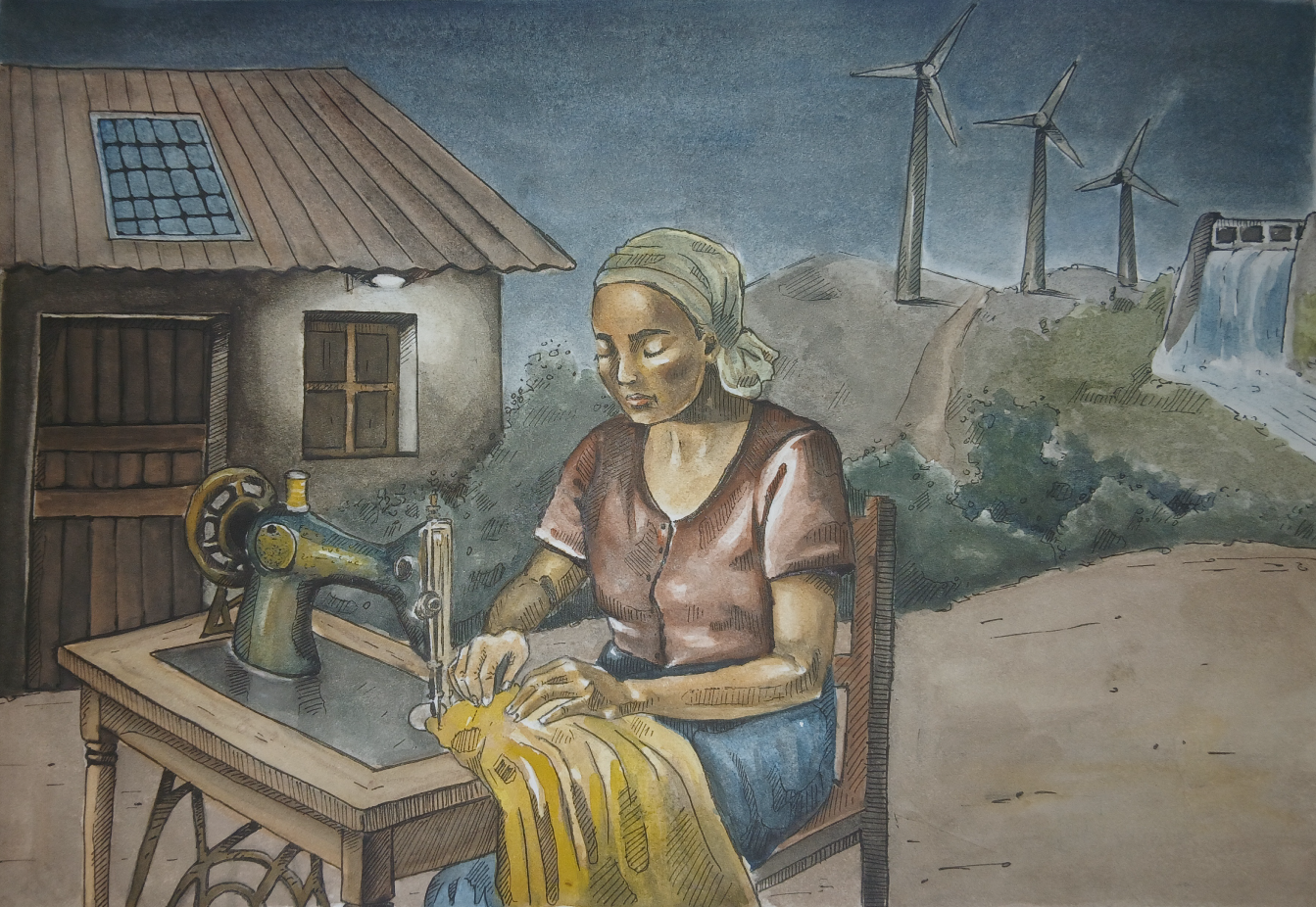 1st place
Threads of light
ISHIMWE Minani Faustine
-
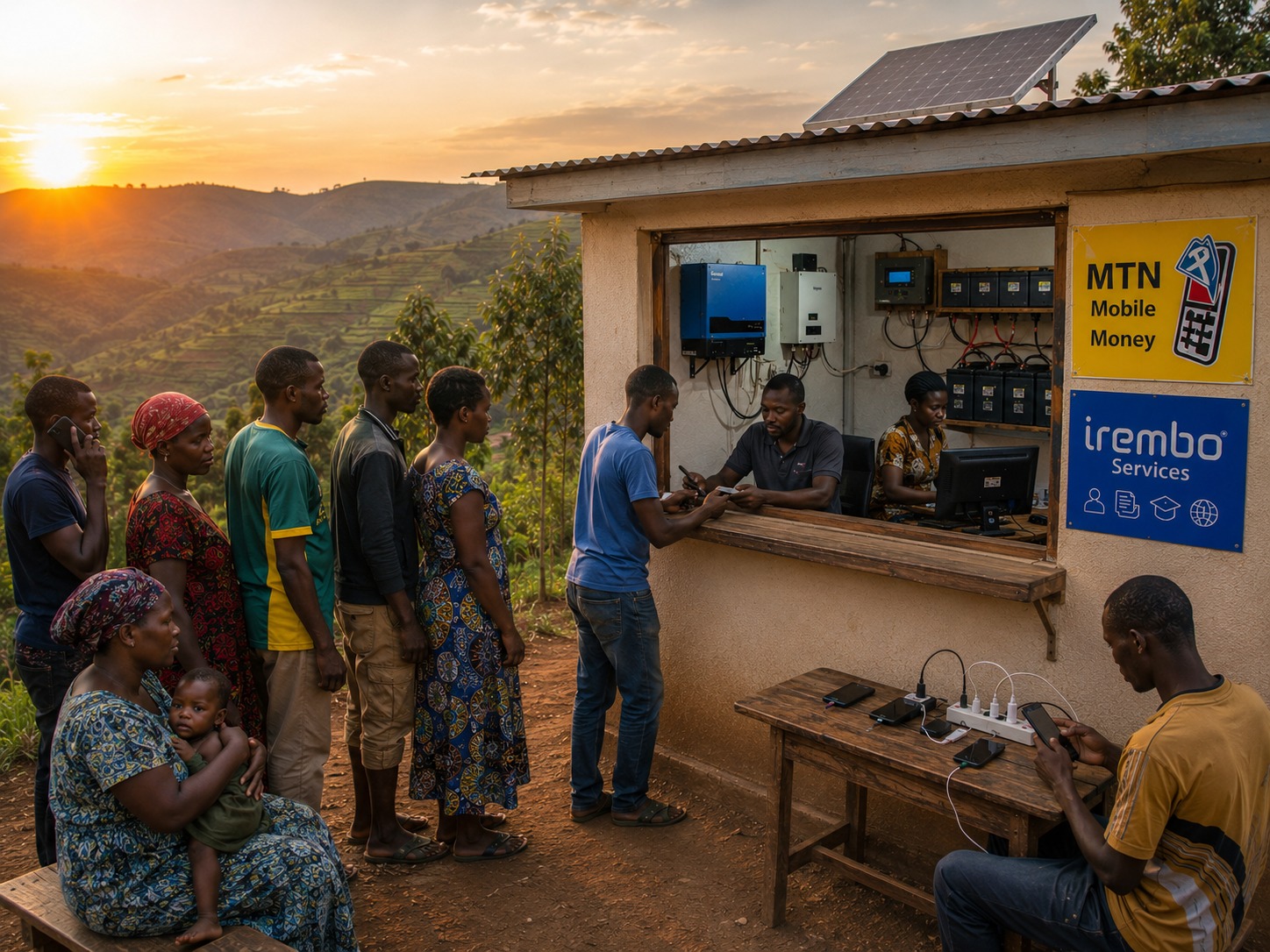 2nd place
Solar-Powered Services for Sustainable Development
RWAMUHAMILIZA Dick Celestin
-
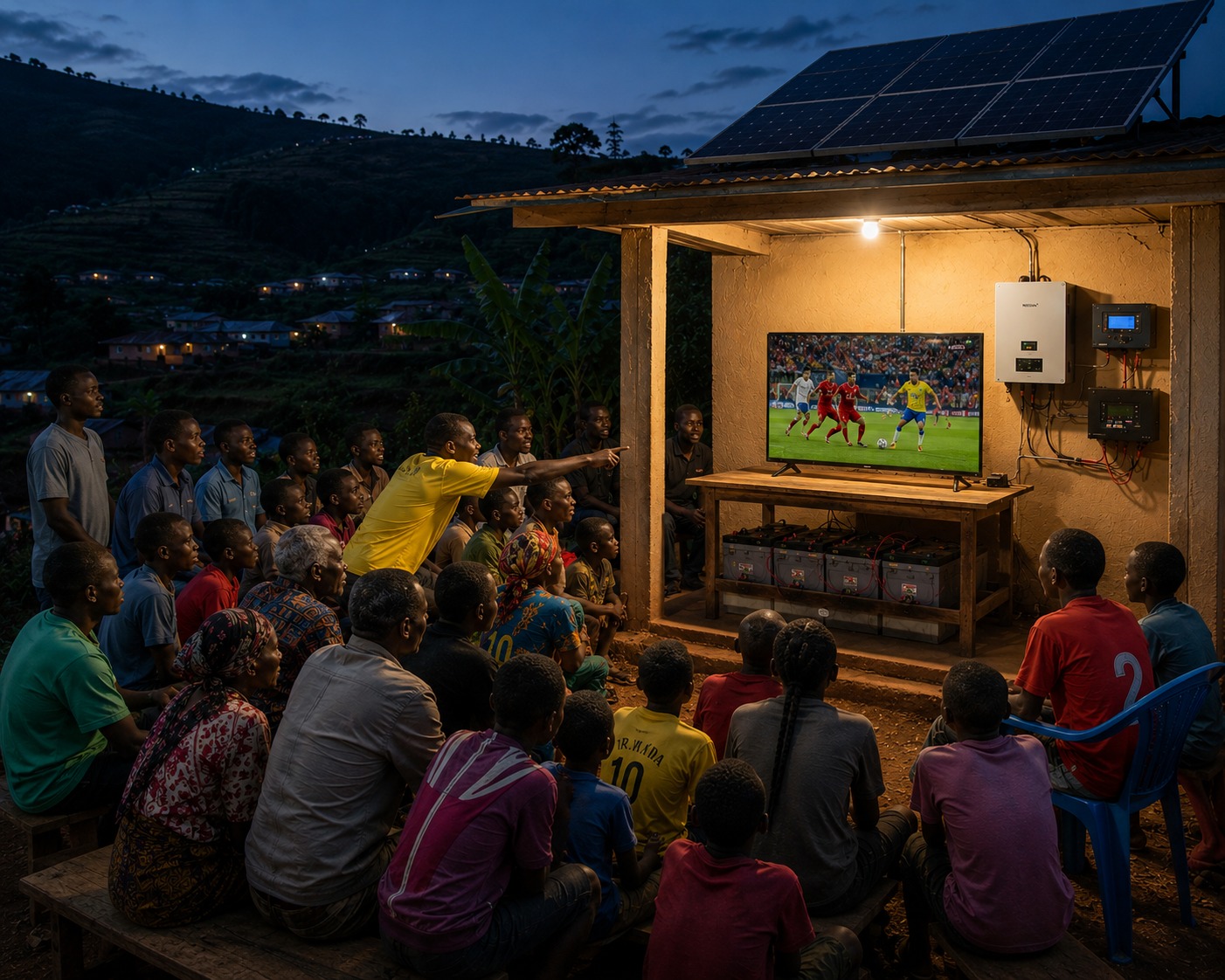 3rd place
FIFA World Cup 2026: Football, Community, and Renewable Energy – A Night Powered by Solar PV
IKUZWE Erica
4th to 8th place
Short video
- 1st place A Ray of Hope UMUGWANEZA Cheria Allelua
- 2nd place SUSTAINABLE SOLAR IRRIGATION PROJECT NSENGUMUREMYI Etienne
- 3rd place From the dark to light BYIRINGIRO Blaise
4th to 8th place
- 4th placeBAHATI Ben ParadatosFrom Sunlight to Hope: The Story of a Greener Future
- 5th placeMicomyiza PeacemakerINTRODUCTION OF RENEWABLE RESOURCES
- 6th placeNSHIMIYIMANA ElieSOLAR PV-POWERED WELDING SYSTEM FOR OFF-GRID COMMUNITIES
- 7th placeGisubizo PatrickUSING SOLOR ENERGY IN FASHION DESIGN
- 8th placeBoulwe Succes DoukreoOne Choice, Two Futures
A six-member jury scored every entry out of 50 on five criteria: creativity and innovation, relevance to the theme, technical quality, social and emotional impact, and overall impact.
Conference Information & Documentation
Everything about the day in one place: the programme, the people who spoke, what participants thought of it and the full recording.
- 4 sessions Conference agenda The programme of 3 September 2026, session by session, with every talk and speaker. View the agenda
- 17 respondents Feedback questionnaires What participants thought of the conference and of GREATER, with charts and the full evaluation report. See the results
- 42 people Speakers & panelists Everyone who spoke, chaired or joined a panel, with a short profile and their part in the programme. Meet the speakers
- YouTube Conference livestream The full-day livestream of the conference, recorded on YouTube. Watch the recording (opens in a new tab)
One Conference, Two Complementary Experiences
The conference programme and the GREATER Exhibition ran side by side all day. Together they showed what GREATER achieved, what was learned, and how its capacities, tools and partnerships can carry on beyond the end of the project.
-
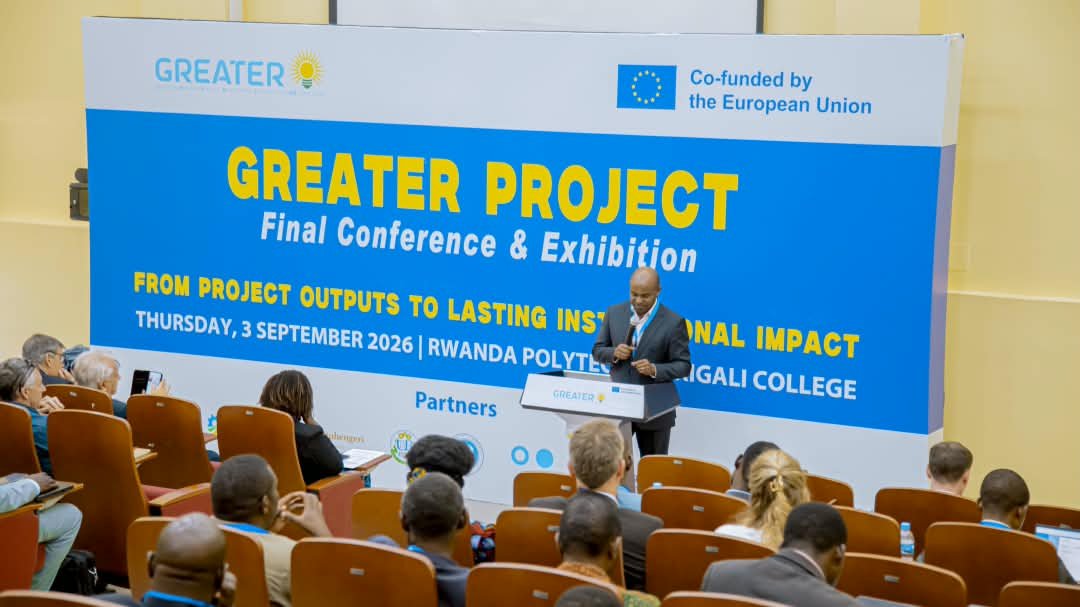
The conference
Four sessions in the auditorium of Rwanda Polytechnic – Kigali College: institutional addresses, a panel on the energy transition, testimonies from students, staff and communities, and a closing round table on GREATER’s legacy.
- Four sessions from 09:00 to 17:00
- Institutional addresses and a policy panel
- Testimonies from students, staff and communities
- Livestreamed on YouTube
-
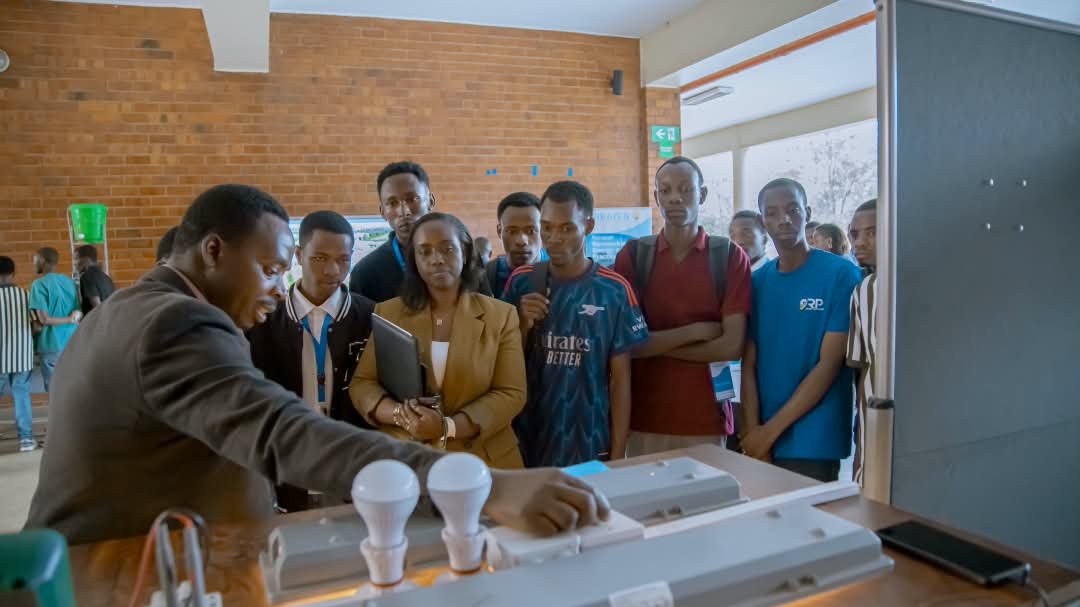
The exhibition
Open all day alongside the sessions, the GREATER Exhibition let visitors try the Living Labs and DIY Lab Kits with the students and staff who build and use them, and see the entries of the GREATER Art Contest.
- Open throughout the day
- Living Lab and DIY Lab Kit demonstrations
- Stands of the partner universities
- The GREATER Art Contest exhibition
Target Audiences & Stakeholders
The conference and the exhibition brought together the people who shape renewable-energy education in Rwanda, and those who benefit from it.
- Project partners The eight GREATER partners from Italy, Germany and Rwanda, led by the University of Parma, looking back on the results and ahead to what comes next.
- Public institutions Ministries and local authorities that shape Rwanda’s education and energy policies, from the Ministry of Education to MININFRA.
- Private sector Energy companies and associations, such as REG and Energy Private Developers, that need skilled people for the energy transition.
- Students Students of the partner universities who learned in the Living Labs and with the DIY Lab Kits; four of them shared their experience on stage.
- Communities and schools Communities and schools around the Living Labs, where renewable energy and new knowledge reach everyday life.
- International stakeholders The EU’s European Education and Culture Executive Agency (EACEA), diplomatic representatives and international experts in energy and education.
Project partners
GREATER is carried out by eight partners from Italy, Germany and Rwanda, led by the University of Parma.
-
 University of Parma
Italy
Coordinator
(website, opens in a new tab)
-
 Rwanda Polytechnic – Tumba College
Rwanda
(website, opens in a new tab)
-
 Hochschule Niederrhein
Germany
(website, opens in a new tab)
-
 University of Rwanda
Rwanda
(website, opens in a new tab)
-
 CNR-IMEM
Italy
(website, opens in a new tab)
-
 INES-Ruhengeri
Rwanda
(website, opens in a new tab)
-
 Hochschule Bonn-Rhein-Sieg
Germany
(website, opens in a new tab)
-
 University of Technology and Arts of Byumba (UTAB)
Rwanda
(website, opens in a new tab)